
Democracy in America — A Conversation, Part II
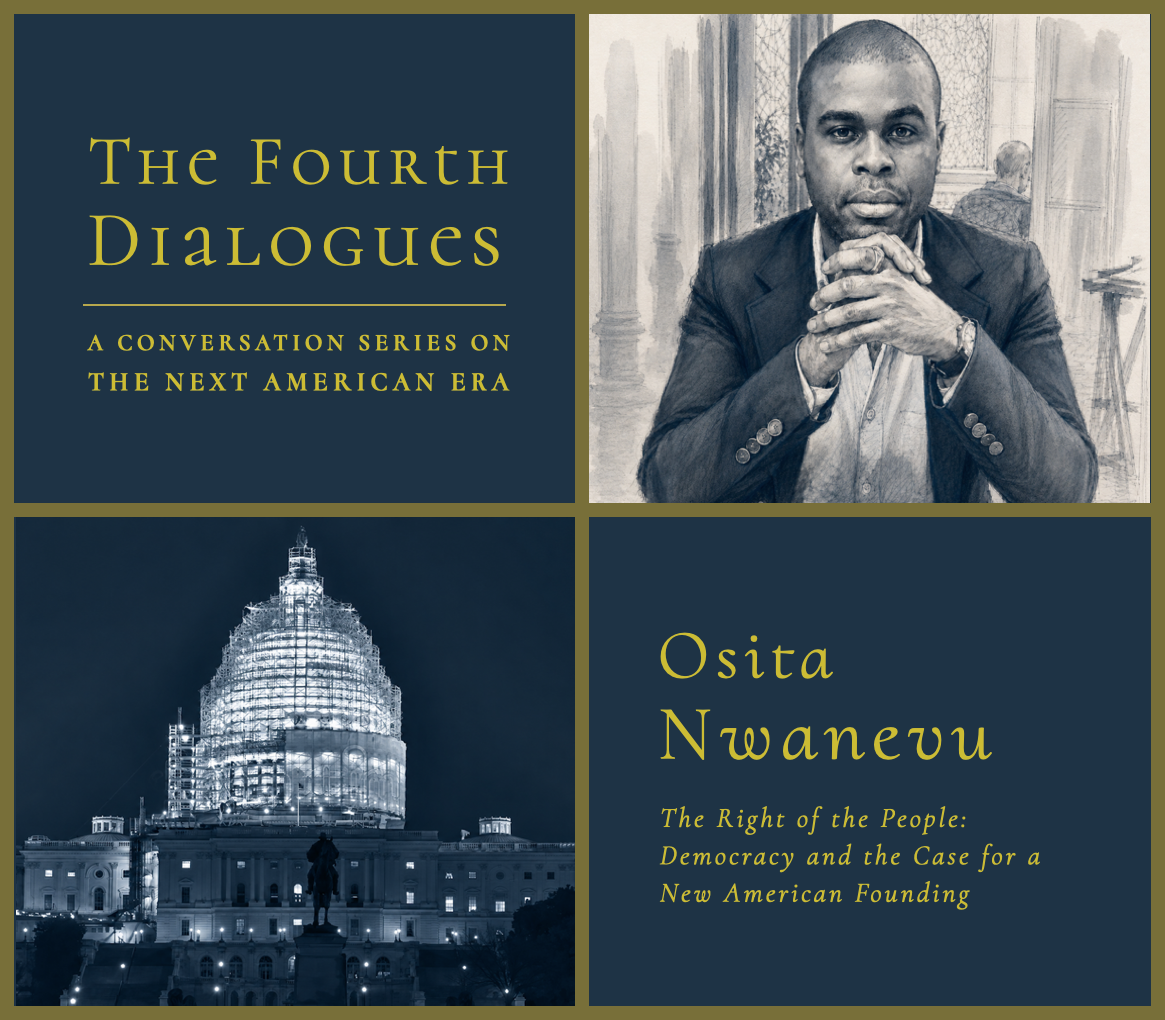
Hey all. Here's part two of my conversation with the Fourth Founding Project. You can find part one here.
Note from FFP
The Fourth Founding Project is a long-term effort to think through what the next era of American renewal could require: politically, economically, civically, technologically.
We are early in that work. Rather than begin by asking everyone to come to a new platform, we are starting with in-depth conversations published through the channels of the people helping define the terrain. Osita’s work is a natural place to begin.
This conversation is the first installment of The Fourth Dialogues, a series across Substack and beyond with writers, organizers, historians, technologists, and others working through the ideas and conditions for the nation’s next refounding.
We’ll have more to share soon.
What's your perspective on economic security versus economic democracy as a north star and organizing principle? Is there a meaningful difference?
Osita Nwanevu: The word democracy is important. One of the projects of the book is to get people to understand that politics and the economy are not separate realms, that you can have political democracy here and it doesn't bear upon what's going on in the economy. Our ability to sustain democracy even politically depends upon our agency and the extent to which we have power in the economy. These are two parts of the same project of granting ourselves agency over the conditions that shape our lives, and the word for that to me is democracy, whether we're talking about political democracy or economic democracy. They're deeply connected.
The other thing I'll say is that economic security, as most people use the term in the existing policy and political discourse, tends to be about material well-being – how much money you have or how much access you have to certain programs. That is important, but it doesn't fully encapsulate the concerns I'm speaking to when I talk about economic democracy. All these tech workers who have been laid off in the last year, making in many cases pretty good money, might not have had very many complaints on the economic security front. Nonetheless they found themselves quickly in a precarious position because certain decisions were made that they had no part in and no access to. That was a democratic question. It's a different kind of thing.
It's telling that OpenAI recently released a plan for how to manage this transition. There's UBI, there are social programs, all these things in the realm of economic security. Notably absent: who gets to decide whether we implement AI and how it's implemented, and what rights workers have in that process. Those are different areas of concern. They're interconnected. But believing you have economic security without actually being democratically powered in the economy is a dangerous thing, because we are all one decision away from finding ourselves in a precarious position, even if we're making good money and have health insurance. As soon as decisions are made in the company without us, if we're not managers or bosses, they can take all of that away very quickly. Democracy matters both conceptually, to get people to understand the political and economic realms are not separate, and as a matter of substance, because the democratic power I'm talking about is what actually ends up sustaining people.
This content is for Paid Members
Unlock full access to Nwanevu. and see the entire library of members-only content.
SubscribeAlready have an account? Log in